


Several candidates widely backed by Muslim, Arab‑American, and pro‑ceasefire coalitions contested the Illinois primaries but ultimately did not win.
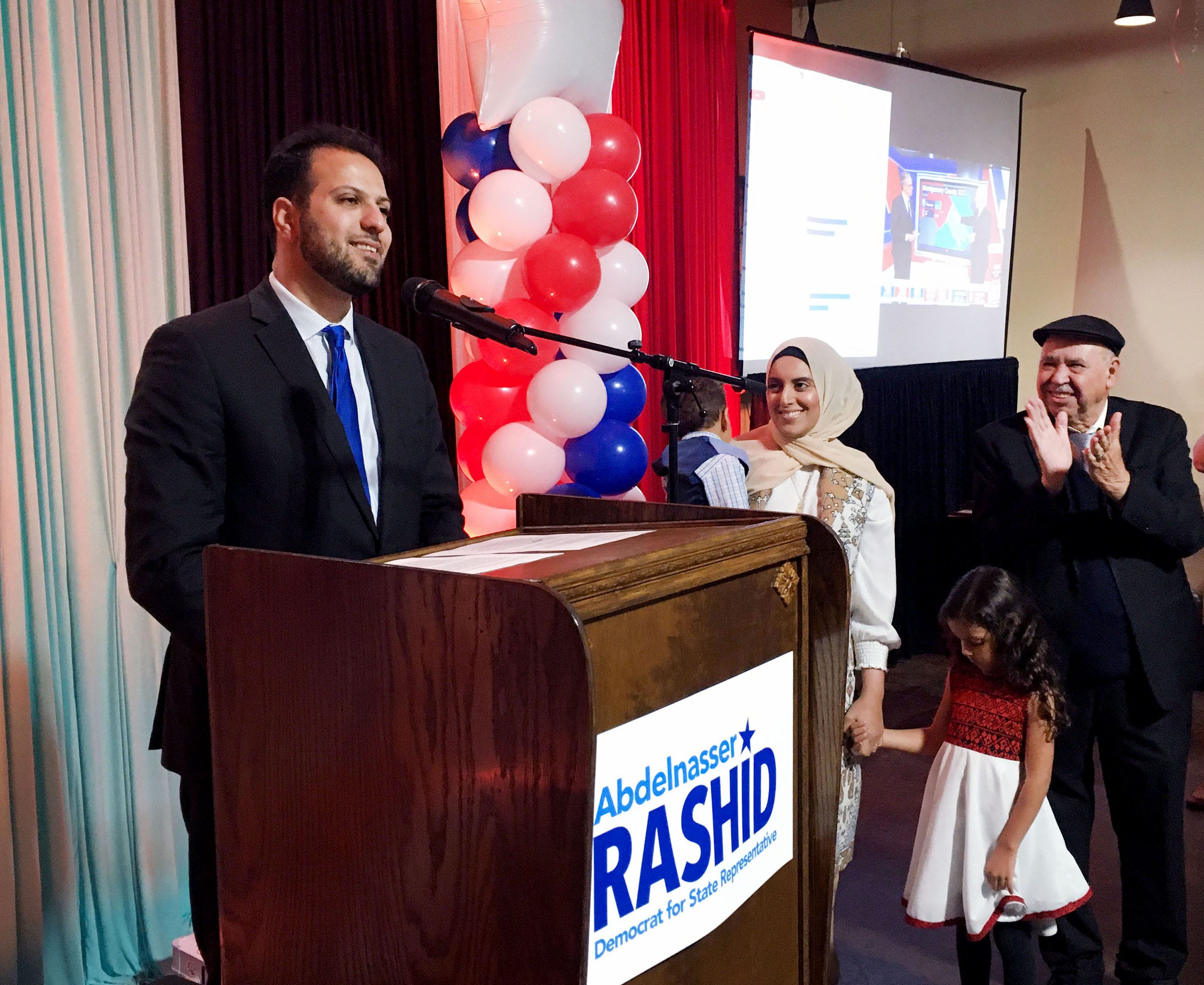
Community leaders had hoped that State Rep. Abdelnasser Rashid — one of the most prominent Arab‑American elected officials in Illinois — would emerge as a future challenger in IL‑6. But he did not appear on the 2026 Democratic primary ballot, leaving incumbent Sean Casten to face only a single challenger.
Strong Performance and Narrow Defeat
Junaid Ahmed delivered one of the most competitive and closely watched performances in Illinois on primary night, falling short by only a handful of votes in the 8th District. Despite being significantly outspent and facing a crowded field, Ahmed’s campaign surged late, powered by a disciplined ground operation and strong support from progressive, immigrant, and pro‑ceasefire voters. His near‑victory underscored the depth of his appeal and signaled that his message resonated far beyond traditional progressive circles.
Many observers noted that Ahmed’s narrow defeat was shaped in part by the presence of Yasmeen, another candidate who appealed to similar communities and policy priorities. Her entry into the race effectively split a key segment of the electorate, diluting the consolidated support Ahmed had built over multiple cycles. Analysts argue that without this division, Ahmed may well have overtaken the frontrunner, given the slim final margin and the strength of his precinct‑level performance.
Even in defeat, Ahmed’s showing is being read as a sign of growing political influence among South Asian, Muslim, and pro‑ceasefire voters in the northwest suburbs. His ability to come within striking distance — despite financial disadvantages and strategic headwinds — positions him as a figure with staying power and a constituency that is becoming increasingly organized and assertive in Illinois politics.
Progressive candidate with significant Muslim and Arab‑American grassroots backing, Kat Abughazaleh — IL‑9 Democratic Primary, finished second to Daniel Biss. Her campaign drew national attention because of outside spending in the race.
Not Muslim himself, but strongly aligned with pro‑ceasefire and Muslim‑community priorities, Jason Friedman — IL‑7 Democratic Primary, was defeated in a crowded field.
According to analysts, it does not mean “Muslims lost” as a community. It shows that Muslim and Arab‑American voters in Illinois are politically diverse, and they supported a range of candidates across districts.
Several candidates who won—including Daniel Biss and La Shawn Ford—had meaningful support from Muslim and Arab‑American voters, even if they weren’t the community’s top‑profile favorites.
Political observers say outside spending (especially from national PACs) shaped several races. The progressive and pro‑ceasefire candidates faced steep financial disadvantages.
Muslim and Arab‑American voter turnout was strong, even where candidates didn’t win. The community’s political influence is growing, not shrinking—losses don’t erase that trajectory.
Democratic voters put Lt. Gov. Juliana Stratton on a path to the Senate, while the pro-Israel lobby notched its first major victories of the year but also faced a tough defeat.
Lt. Gov. Juliana Stratton of Illinois won the state’s Democratic primary race for Senate, backed by millions from Gov. JB Pritzker.
Her victory in the Democratic primary for the Senate in Illinois put the nation on a path to having three Black women serving together in the chamber for the first time in American history, The New York Times wrote.
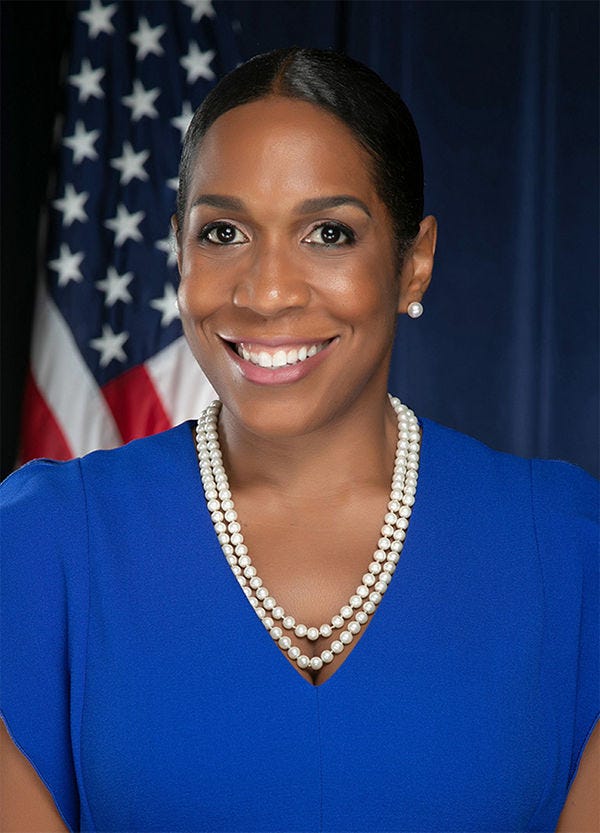
On the night, the big winner was Ms Stratton, who received heavy financial backing from Gov. JB Pritzker, finishing ahead of Representatives Raja Krishnamoorthi and Robin Kelly.
More than $32 million in outside spending poured into four Chicago-area House contests, a tidal wave of cash led by groups tied to the American Israel Public Affairs Committee, the crypto sector and the artificial intelligence industry.
AIPAC and the A.I. industry reached split decisions. The crypto sector lost the two races where it spent roughly 90 percent of its money. And progressives failed to build momentum early in the midterm primary season.
AIPAC’s biggest losses on March 17 in Illinois include Laura Fine — IL‑09. AIPAC spent about $7 million backing State Sen. Laura Fine. She finished a distant third behind Daniel Biss and Kat Abughazaleh.
Newsweek called it one of AIPAC’s major defeats.
Melissa Conyears‑Ervin — IL‑07 AIPAC‑aligned PACs spent around $5 million supporting her, but she lost to State Rep. La Shawn Ford.
AIPAC spent heavily attacking Daniel Biss, who still won.
They also spent money trying to split the progressive vote by boosting Bushra Amiwala to weaken Kat Abughazaleh. The strategy backfired: Biss won, and Fine (their preferred candidate) collapsed.